

Introduction to Namaz in Islam
Namaz (Salah) is the Islamic prayer performed five times a day. If you are a beginner and want to learn Namaz step by step in English, this guide will help you understand each step in a simple and easy way.
Importance of Salah in a Muslim’s Life
Namaz is the second pillar of Islam and is obligatory for every adult Muslim. It is offered five times a day at fixed times, which helps maintain discipline and constant remembrance of Allah. Performing Namaz regularly purifies the heart, strengthens faith, and keeps a person away from sinful actions. Salah also brings peace to the mind and balance to daily life, making it a powerful spiritual practice rather than just a ritual.
Conditions Required Before Prayer
Before starting Namaz, a few essential conditions must be fulfilled. Cleanliness is extremely important in Islam, so a person must perform Wudu before praying. The body, clothes, and place of prayer should be clean. Facing the Qibla, which is the direction of the Kaaba in Makkah, is mandatory for Salah. Along with physical preparation, a sincere intention in the heart is required for the specific prayer being offered. This intention is not spoken aloud but made silently.
Starting the Prayer Takbeer
Namaz starts with standing straight and raising both hands while saying Allahu Akbar. This action is known as Takbeer-e-Tahrema and marks the official beginning of the prayer. At this moment, the worshipper disconnects from worldly thoughts and fully focuses on Allah. Standing calmly shows respect and readiness to communicate with the Creator.
Qiyam and Quran Recitation
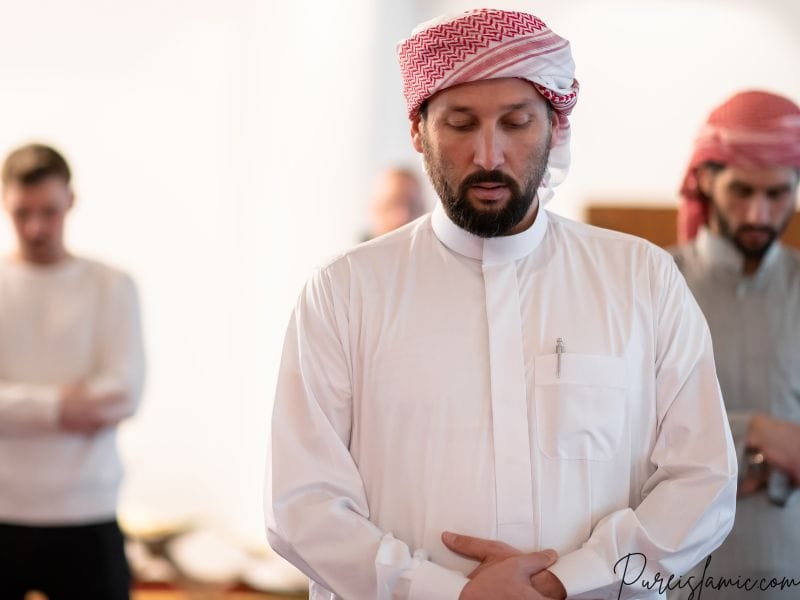
During Qiyam, the worshipper stands with the right hand placed over the left and recites Surah Al-Fatiha. After this, another short Surah from the Holy Quran is recited. This part of Namaz is essential because it involves direct recitation of Allah’s words. Reciting slowly and understanding the meaning improves concentration and spiritual connection during Salah.
Ruku and Standing After Ruku
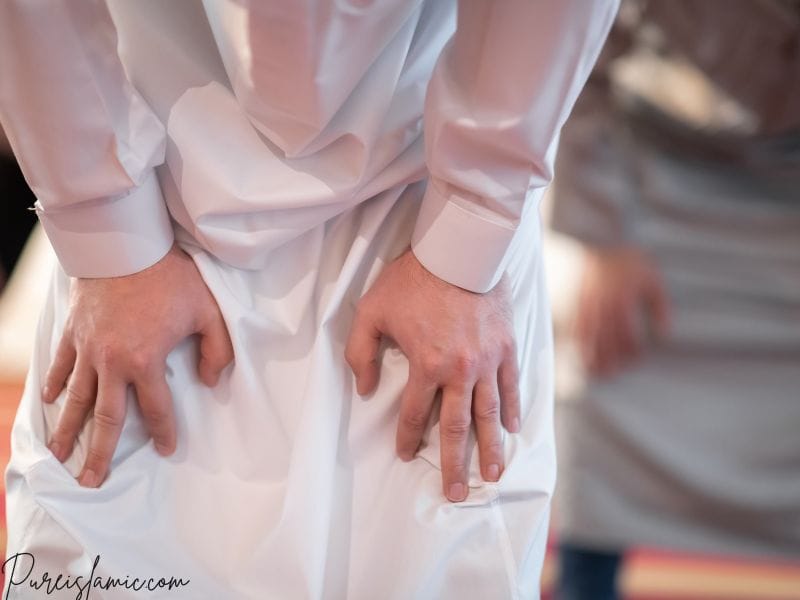
After completing the recitation, the worshipper bows down into Ruku by bending at the waist and placing hands on the knees. While in Ruku, Subhana Rabbiyal Azeem is recited to glorify Allah. This posture represents humility and submission. After Ruku, the worshipper stands upright again and praises Allah, acknowledging that all blessings come from Him.
Sujood and Its Spiritual Significance
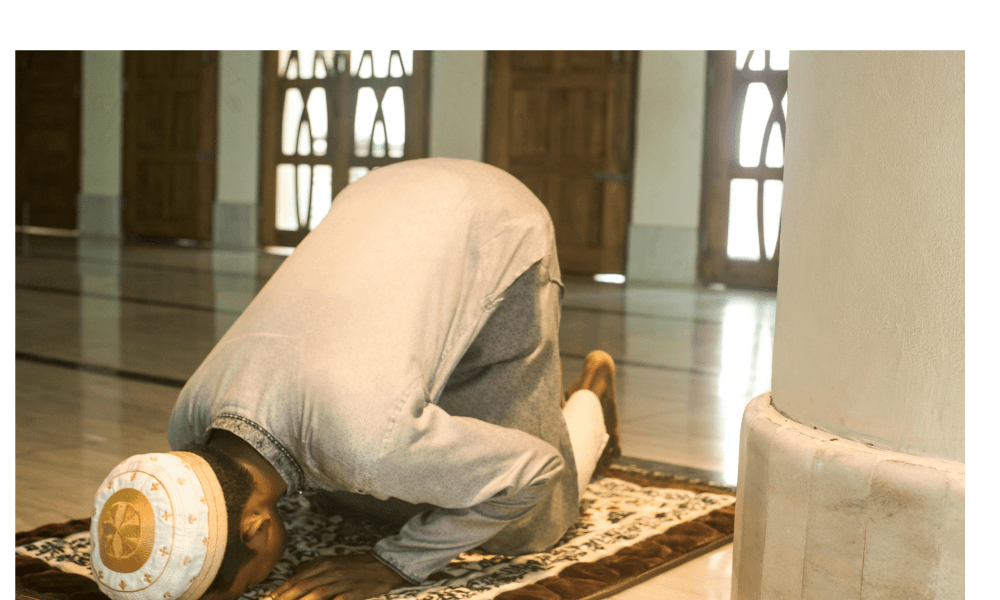
Sujood is the most powerful and rewarding position in Namaz. In this posture, the worshipper prostrates with the forehead touching the ground, showing complete surrender to Allah. During Sujood, Subhana Rabbiyal A’la is recited. This moment brings a believer closest to Allah and fills the heart with peace. After a brief sitting, Sujood is performed again to complete this part of the prayer.
Completing Rakats and Final Sitting
Each unit of prayer, known as a Rakat, follows the same sequence. After completing two Rakats, the worshipper sits and recites Tashahhud, which includes praising Allah and sending blessings upon Prophet Muhammad. In the final sitting of Namaz, Durood Ibrahim and a personal supplication are recited, asking Allah for forgiveness, mercy, and guidance.
Ending the Namaz with Salam
Namaz is completed by turning the head to the right and then to the left while saying Assalamu Alaikum wa Rahmatullah. This greeting spreads peace and marks the end of the prayer. After Salam, the worshipper may make personal duas, as this is a blessed time for supplication.
Common Mistakes in Namaz
- Praying too quickly without proper pauses
- Incorrect pronunciation of Surahs
- Not performing Ruku and Sujood properly
- Lack of focus (khushu)
- Skipping required steps
Benefits of salah
- Brings peace and calmness to the heart
- Strengthens connection with Allah
- Helps avoid sinful actions
- Builds discipline in daily life
- Increases spiritual awareness
Basic Rules of Salah
- Wudu (ablution) is required
- Face the Qibla direction
- Pray at the correct time
- Maintain cleanliness
- Cover the body properly (Satr
Frequently Asked Questions (FAQs)
1. Which is correct Nimaz or Namaz?
The correct and commonly used word is Namaz. “Nimaz” is just a spelling variation, but “Namaz” and “Salah” are the proper terms used in Islam.
2. Which Namaz increases beauty?
All prayers (Salah) bring inner peace and light (Noor) to a person. Regular Namaz improves character, which reflects as beauty.
3. Can I pray only 4 Fard for Isha?
Yes, praying 4 Fard fulfills the obligation. However, it is recommended to also pray Sunnah and Witr for complete reward.
4. What are the conditions of Salah?
- Being in a state of Wudu
- Clean body, clothes, and place
- Facing the Qibla
- Covering the body properly
- Praying at the correct time
- Making intention (Niyyah)
5. What is the 777 rule in Islam?
There is no authentic Islamic rule called “777 rule.” It is mostly a social media myth and has no basis in Quran or Hadith.
6. What are the 5 types of Salah?
- Fajr
- Dhuhr
- Asr
- Maghrib
- Isha
7. Which Salah is quiet?
Fajr, Maghrib, and Isha have loud recitation (in congregation), while Dhuhr and Asr are usually prayed quietly.
8. What are the three forbidden times to pray?
- At sunrise
- At sunset
- When the sun is at its peak (midday)
9. What are the common mistakes in Namaz?
- Praying too fast
- Incorrect recitation
- Not performing Ruku and Sujood properly
- Lack of focus
10. What three prayers are not rejected?
The Prophet ﷺ mentioned that the following duas are not rejected: the dua of a fasting person, a traveler, and an oppressed person.
11. Is it haram to say “OMG”?
It depends on intention. If used disrespectfully, it is not appropriate. Muslims should use respectful words when mentioning Allah.
12. Which things break Namaz?
- Talking during prayer
- Laughing loudly
- Losing Wudu
- Eating or drinking
- Turning away from Qibla
13. What are the etiquettes of Namaz?
- Pray with full focus (Khushu)
- Dress properly
- Pray on time
- Avoid distractions
14. What is missed Namaz called?
Missed prayer is called Qada Namaz, and it should be offered as soon as possible.
Conclusion
Learning how to pray Namaz correctly is essential for every Muslim. Namaz is not only an obligation but a source of spiritual strength, mental peace, and success in life. By understanding each step of Salah and performing it with sincerity and focus, a believer builds a strong relationship with Allah. Regular and mindful prayer brings blessings in this world and rewards in the hereafter, making Namaz the foundation of a successful Muslim life.
2 Responses