

What Are the Ramadan Rules? A Complete Guide for Muslims and Beginners
What are the Ramadan rules? This is one of the most commonly searched questions every year as the holy month of Ramadan approaches. Ramadan is the ninth month of the Islamic lunar calendar and holds immense spiritual importance for Muslims around the world. During
this sacred month, Muslims follow specific rules related to fasting, prayer, behavior, charity, and daily life.
This complete guide explains all important Ramadan rules, including fasting rules, prayer rules, what is allowed and forbidden, who must fast, and how Muslims should live during Ramadan. This article is written in simple English, fully SEO-friendly, and includes all major primary and secondary keywords naturally.
What Is Ramadan?
Ramadan is the holiest month in Islam. It is the month in which the Quran was revealed to Prophet Muhammadصلى الله عليه وسلم. During Ramadan, Muslims fast from dawn to sunset and increase worship, prayer, and good deeds.
Fasting in Ramadan is one of the Five Pillars of Islam, making it obligatory for all eligible Muslims.
Who Must Follow the Ramadan Rules?
The Ramadan rules apply to:
● Adult Muslims (after puberty)
● Muslims who are mentally and physically healthy
However, some people are exempt from fasting, including:
● Children
● Elderly people who are weak
● Pregnant or breastfeeding women
● Sick people
● Travelers
Those who miss fasting for valid reasons must make up the fast later or give charity (fidya), depending on their condition.
Main Ramadan Rule: Fasting (Sawm)
What Is Fasting in Ramadan?
Fasting means abstaining from food, drink, and certain actions from Fajr (dawn) until Maghrib (sunset).
Fasting is not only about hunger and thirst; it also includes controlling behavior, speech, and thoughts.
Can You Drink Water During Ramadan?
No. Drinking water during fasting hours is not allowed. From dawn to sunset, Muslims must avoid:
● Food
● Water and all drinks
● Smoking
Eating or drinking intentionally breaks the fast and requires making it up later. Suhoor and Iftar Rules
Suhoor (Pre-Dawn Meal)
● Suhoor is eaten before Fajr
● It is highly recommended (Sunnah)
● Provides energy for fasting
Iftar (Breaking the Fast)
● Fast is broken at Maghrib
● Traditionally with dates and water
● Dua to break fast is recommended
What Breaks the Fast in Ramadan?
The following actions break the fast:
● Eating or drinking intentionally
● Smoking
● Sexual relations during fasting hours
● Intentional vomiting
Unintentional actions, such as forgetting and eating, do not break the fast. Intention (Niyyah) for Fasting
Making intention (niyyah) is an essential Ramadan rule. The intention to fast must be made before Fajr.
It does not need to be spoken aloud; it can be made in the heart.
Prayer Rules During Ramadan
Five Daily Prayers
Muslims must continue offering the five daily prayers:
● Fajr
● Zuhr
● Asr
● Maghrib
● Isha
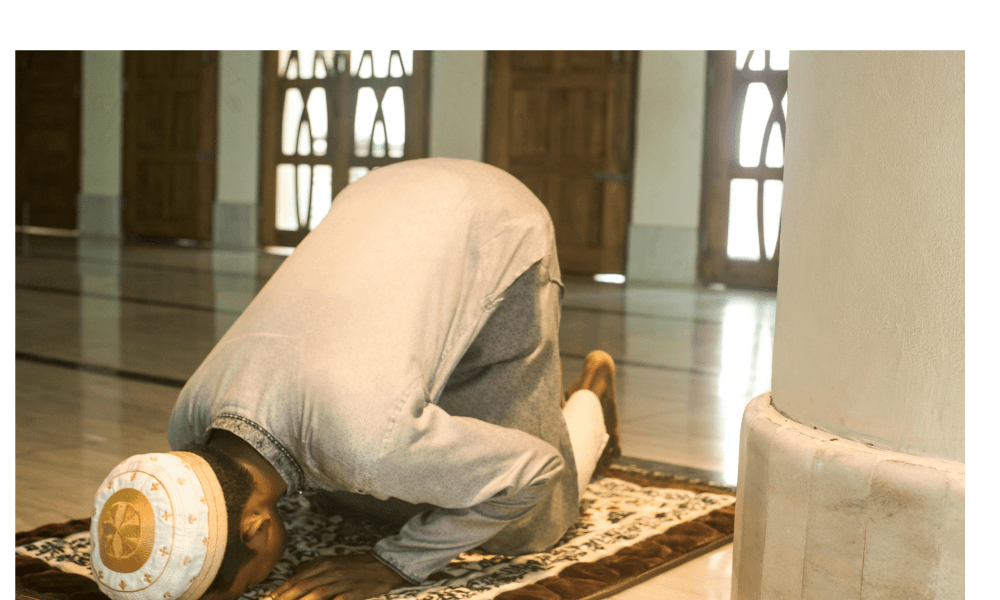
Many people ask, how many times a day do Muslims pray?
The answer is five times daily, including Ramadan.
Taraweeh Prayer Rule
Taraweeh prayer is a special Sunnah prayer performed after Isha during Ramadan. ● Prayed in congregation or at home
● Not obligatory but highly recommended
● Involves Quran recitation
Many Muslims also make Taraweeh dua during or after prayer.
Tahajjud and Night Worship
During Ramadan, Muslims are encouraged to:
● Pray Tahajjud
● Make extra duas
● Recite Quran
Night worship is especially important in the last ten nights of Ramadan. Laylatul Qadr Rule
One of the most important Ramadan rules is seeking Laylatul Qadr (The Night of Power). ● Occurs in the last ten nights
● Worship on this night is better than 1000 months
● Muslims increase prayer and Laylatul Qadr dua
Ramadan Behavior Rules
Ramadan is not only about fasting from food and drink. Muslims must also: ● Avoid lying and gossip
● Control anger
● Avoid bad language
● Be kind and patient
Bad behavior can reduce the reward of fasting.
Charity Rules in Ramadan
Charity is highly encouraged during Ramadan.
Zakat
● Obligatory charity for eligible Muslims
Sadaqah
● Voluntary charity
● Giving food to fasting people brings great reward
Helping the poor is a core Ramadan rule.
Travel Rules During Ramadan
Travelers are allowed to skip fasting during travel. They must:
● Make up missed fasts later
● Not fast if travel is difficult
Islam allows flexibility and ease.
Ramadan Rules for Women
Women are not allowed to fast during:
● Menstruation
● Post-natal bleeding
Missed fasts must be made up later, but prayers are not repeated. Ramadan Calendar and Prayer Times Muslims follow a Ramadan calendar to know:
● Suhoor time
● Iftar time
● Islamic prayer time Ramadan
Prayer times vary by location and are based on sunrise and sunset. What Is Allowed During Fasting? Allowed actions include:
● Brushing teeth (without swallowing)
● Bathing or showering
● Using perfume
● Accidental eating or drinking
Islam promotes ease, not hardship.
What Is Forbidden During Ramadan? Forbidden actions include:
● Eating or drinking intentionally
● Smoking
● Sexual activity during fasting hours
● Sinful behavior
Avoiding these is essential to protect the fast.
Eid ul Fitr Rule
Ramadan ends with Eid ul Fitr.
On Eid day:
● Fasting is forbidden
● Eid prayer is performed
● Zakat-ul-Fitr is given before Eid prayer
Eid celebrates the successful completion of Ramadan. Common Questions About Ramadan Rules Is fasting compulsory every day in Ramadan? Yes, unless there is a valid Islamic excuse.
Can children fast?
Children are encouraged but fasting becomes obligatory after puberty. Does brushing my teeth break the fast?
No, if nothing is swallowed.
Benefits of Following Ramadan Rules
Following Ramadan rules helps Muslims:
● Strengthen faith
● Build self-discipline
● Develop patience
● Feel compassion for the poor
● Improve character
Ramadan is a spiritual training month.
Common Mistakes During Ramadan
Some mistakes include:
● Focusing only on hunger
● Ignoring prayers
● Wasting time
● Bad behavior
Ramadan should be used for spiritual growth.
Life After Ramadan
One of the biggest lessons of Ramadan is to continue good habits after the month ends, such as:
● Regular prayer
● Charity
● Good character
● Remembering Allah
True success is maintaining Ramadan habits all year.
Conclusion
So, what are the Ramadan rules? Ramadan rules include fasting from dawn to sunset, offering prayers, controlling behavior, giving charity, and increasing worship. Ramadan is not just about avoiding food and drink; it is about spiritual purification, self-discipline, and closeness to Allah.
By following the rules of Ramadan correctly, Muslims gain forgiveness, mercy, and immense rewards. Whether you are learning about Ramadan for the first time or refreshing your knowledge, understanding these rules helps make Ramadan truly meaningful and spiritually rewarding.
One Response