Introduction
Hajj is one of the most sacred acts of worship in Islam and holds great spiritual significance for Muslims around the world. Every 12 months, millions of Muslims travel to the holy city of Mecca in Saudi Arabia to make this once-in-a-lifetime pilgrimage. The year 2026 has seen a surge in Hajj interest globally, as searches such as “Hajj 2026”, “What is Hajj”, “Hajj date 2026,” and “Hajj visa” are trending throughout Google Trends .
For Muslims, Hajj is not always just an adventure; It is an active act of faith, devotion, sacrifice, and coordination. It is the 5th pillar of Islam and it is obligatory for every Muslim who is physically and financially able to do this at least once in his life.
This entire booklet completely explains approximately Hajj 2026, along with its means, significance, rituals, dates, and religious benefits.
What is Hajj in Islam?
Islamic Doctrine The Hajj is an annual Islamic pilgrimage to the Holy City of Mecca. It occupies the territory of the Islamic month of Dhul Hijjah, the twelfth month of the Islamic calendar.
The literal form of the word “Hajj” is “meaning of adventure”. In Islam, it refers to the completion of the holy pilgrimage in accordance with the teachings of Prophet Ibrahim (as) and Prophet Muhammad ﷺ.
Hajj is one of the five pillars of Islam:
Shahadah (faith)
Salah (prayer)
Zakah (charity)
Savam (fasting in the month of Ramadan)
Hajj (pilgrimage)
Allah commands Muslims within the Quran to perform Hajj if they can afford it.
Why is Hajj so important?
Hajj often teaches Muslims valuable lessons:
Obedience to Allah
Patience and sacrifice
Gender Equality .
Unity in the Muslim Ummah
Reliable cleansing
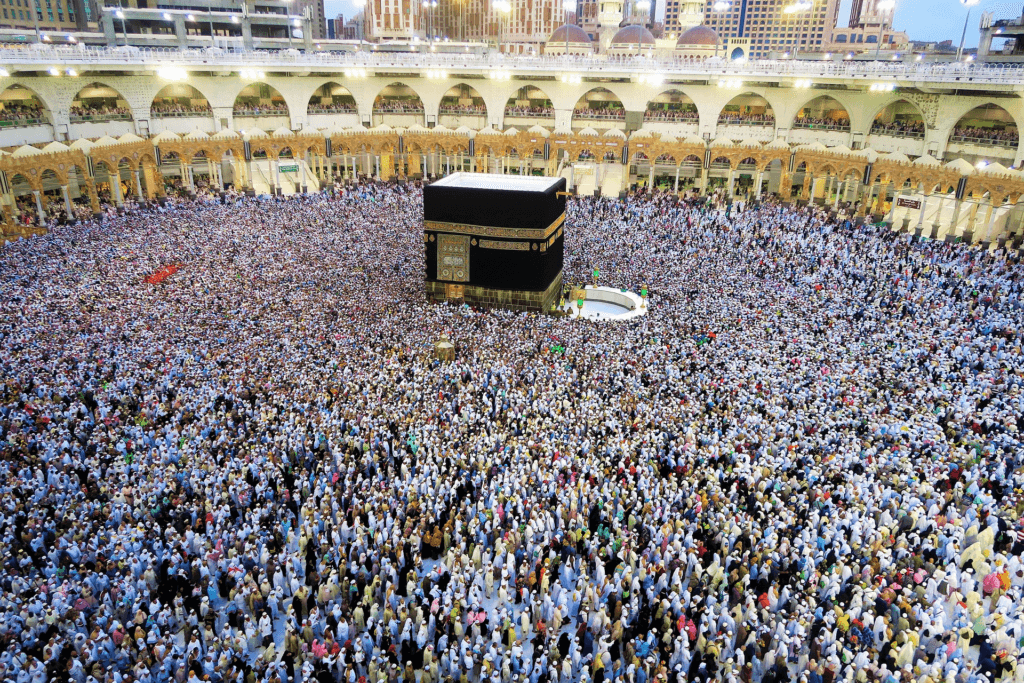
During Hajj, all pilgrims wear suitable white clothes called Ihram. The rich and the poor stand together before Allah equally regardless of race, ethnicity or social popularity.
The pilgrimage additionally commemorates the sacrifices made by Muslims using the following:
Prophet Ibrahim (as)
Hazar (A.S.)
Prophet Ishmael (pbuh)
Their conception of Allah became an example for all believers until the Day of Judgment.
Hajj 2026 date
Dhul Hijjah Hajj 2026 is expected to take its approach around the first 1/2 of June 2026 depending on the moon sighting of Dhul Hijjah.
Important dates expected:
First Dhul Hijja 2026 – Expected around May 18
Arafa Day – Expected around June 3, 2026
Eid al-Adha 2026 – Expected round on June 4, 2026.
Because the Islamic calendar is based on lunar occurrences, official dates may also vary between international locations.
Therefore, the search e.g.
“Zil Hajj 2026”
“First Jilhaj in Pakistan 2026”
“When is Hajj 2026?” he asked.
have proven to be trending topics internationally.
Where is Hajj performed?
What is Hajj, and where is Hajj performed? In Islamic Studies, Hajj is performed in the holy city of Makkah in Saudi Arabia. Millions of Muslims travel there every year to perform the sacred Hajj pilgrimage.
Pilgrims also visit several important holy sites around Makkah during Hajj, including:
Important Places in Hajj
Kaaba
Meena
Mount Arafat
Mujdalifa
Soap and Marvaha
These sites are deeply associated with Islamic documents and Hajj rituals.
The main rituals of Hajj
Hajj is a series of sacred rituals performed over more than one day.
- Entering the State of Ihram
Pilgrims begin Hajj using their entrance into the holy kingdom, known as Ihram.
The men wear simple white clothes, while the girls wear modest Islamic clothing.
During Ihram, Muslims abstain from the following:
Argument
fighting battle
Cuts hair or nails
Use of Perfume
This symbolizes purity and humility before Allah.
- Tawaf around the Kaaba
Pilgrims perform Tawaf by circling the Kaaba seven times during worship.
The Kaaba is the holiest shrine in Islam and the passage that Muslims face in their daily prayers.
three. between Sa’i Safa and Marwah
The pilgrims take the Vihara seven times:
Soap and Marvaha
This ritual honors the struggle of Hagar (as) who sought water for her son Ishmael (as).
Later, Allah blessed them with the incredibly beautiful blessing of Zamzam.
Four. While he was in Minágar
Pilgrims travel to Mina and spend the night in prayer and remembrance of Allah.
Thousands of white tents fill Mina during the Haj season.
five. The Day of Arafat
The most important day of Hajj is located on Mount Arafat.
Pilgrims spend the day making dua, asking for forgiveness and worshiping Allah.
Prophet Muhammad ﷺ said.
“Hajj er Arafah.”
This shows the importance of this holy day.
- Mujdalifa
After sunset, the pilgrims proceed to Muzdalifah where they offer prayers and receive stones for the following rituals.
- Throwing stones at the Jamarat .
Pilgrims throw stones at pillars representing Satan.
This ritual represents rejecting evil and following the guidance of Allah.
- Sacrifice (Qurbani)
Pilgrims sacrifice animals in honor of the obedience of Abraham (pbuh).
The act is linked to Eid al-Adha, which is celebrated with global support from Muslims.
- Last Tawaf
Before leaving Mecca, pilgrims perform farewell tawaf across the Kaaba.
This emotional moment marks the completion of Hajj.
Spiritual Benefits of Hajj
Hajj transforms a Muslim spiritually and emotionally.
Great benefits of Hajj
It strengthens the trust
It cleanses sins.
It builds patience
Knows the area
It encourages harmony
It increases gratitude
It deepens the reference to Allah .
Many Muslims describe Hajj as the most life-changing experience of their lives.
Difference Between Hajj and Umrah
What is Hajj, and how is it different from Umrah? Many people confuse Hajj with Umrah, but there are important differences between the two Islamic pilgrimages.
| Hajj | Umrah |
|---|---|
| Obligatory once in a lifetime for eligible Muslims | Optional pilgrimage |
| Performed only during Dhul Hijjah | Can be performed any time of the year |
| Takes several days to complete | Usually completed within a few hours |
| Includes rituals at Mount Arafat and Mina | Does not include these rituals |
Both pilgrimages are relatively rewarding in Islam.
Hajj 2026 Preparation Guide
Preparation for Hajj requires physical, spiritual and financial planning.
Important Preparation Tips
Spiritual Preparation
Learn the Hajj Rituals
Read Quran Regularly
Repent sincerely
Increase your prayers
Physical Preparation
Go for a daily walk
Keep them hydrated
Maintain desired health
Financial Preparation
Protecting Halal Proceeds
Plan for travel expenses
Book classes in advance
Important lessons from Hajj
Hajj teaches timeless guidelines that Muslims carry throughout their lives.
Lessons on Hajj
Allah loves sincerity.
True achievement is obedience to Allah.
Muslims: It is an Ummah
Patience pays off
Material wealth has no charge for Allah
The pilgrimage probably reminds believers of the Day of Judgment, when all mankind will stand before Allah.
Conclusion
What is Hajj? Hajj 2026 is more than just a spiritual journey; it is a life-changing act of worship that brings Muslims closer to Allah. From performing Tawaf around the Kaaba to standing at Mount Arafat, every ritual of Hajj carries deep spiritual meaning and historical importance in Islam.
As millions of Muslims prepare for Hajj 2026, many continue searching for information about Hajj dates, moon sighting, Nusuk registration, and pilgrimage preparation. Understanding what is Hajj helps believers appreciate the beauty, sacrifice, patience, and devotion connected to this sacred Islamic pilgrimage.
For every Muslim, Hajj remains a symbol of faith, unity, obedience, and submission to Allah. It is one of the greatest acts of worship in Islam and a lifelong dream for Muslims around the world.
Frequently Asked Questions About Hajj 2026
What are the 7 main steps of Hajj?
The seven main steps of Hajj include the following:
- Entering the state of Ihram
- Performing Tawaf around the Kaaba
- Performing Sa’i between Safa and Marwah
- Staying in Mina
- Standing at Mount Arafat
- Stoning the Jamarat
- Performing Qurbani and Farewell Tawaf
These rituals are completed over several days during Dhul Hijja
Can I touch my wife during Hajj?
During the state of Ihram, husbands and wives should avoid intimate relations and romantic physical contact. Simple non-romantic interaction is generally allowed, but sexual relations are prohibited until key Hajj rituals are completed.
What Is Hajj in Islam?
What is Hajj in Islam? In Islamic Studies, Hajj is the sacred pilgrimage to Makkah and one of the Five Pillars of Islam. Every Muslim who is physically and financially able must perform Hajj at least once in their lifetime.
Understanding what is Hajj helps Muslims appreciate the spiritual importance of this sacred journey, which symbolizes faith, obedience, unity, and devotion to Allah.
Can women wear a bra during Hajj?
Yes, women are allowed to wear a bra during Hajj as long as their clothing remains modest and comfortable according to Islamic guidelines. Women do not wear the same Ihram clothing as men.
Who is not allowed to perform Hajj in 2026?
People may not be allowed to perform Hajj if the
- Do not have a valid Hajj visa
- Fail to meet Saudi regulations
- Are medically unfit for travel
- Violate official Hajj rules
- Do not register through approved Hajj systems such as Nusuk
Who created Hajj?
According to Islam, Allah commanded Prophet Ibrahim (AS) and Prophet Ismail (AS) to establish the rituals of Hajj and build the Kaaba. Prophet Muhammad ﷺ later restored and completed the pilgrimage practices followed by Muslims today.
What is the difference between Hajj and Umrah?
Umrah can be performed any time of the year, while Hajj is performed only during Dhul Hijjah. Hajj is compulsory once in a lifetime for eligible Muslims, while Umrah is voluntary.
When is Hajj 2026 expected to begin?
Hajj 2026 is expected to begin around late May or early June 2026, depending on the moon sighting of Dhul Hijjah in Saudi Arabia
Why do Muslims perform Hajj?
Muslims perform Hajj to obey Allah, strengthen their faith, seek forgiveness, and follow the tradition of Prophet Ibrahim (AS) and Prophet Muhammad ﷺ. Hajj symbolizes unity, sacrifice, humility, and devotion to Allah
How long does Hajj last?
What is Hajj and how long does Hajj last? Hajj usually lasts five to six days, beginning on the 8th of Dhul Hijjah and ending around the 12th or 13th of Dhul Hijjah, depending on the moon sighting in Saudi Arabia.
During these days, pilgrims perform several important rituals in Makkah and nearby holy sites, including Mina, Mount Arafat, and Muzdalifah.
2 Responses